Hot Issues in 2026












Issues & the 2026 Midterms
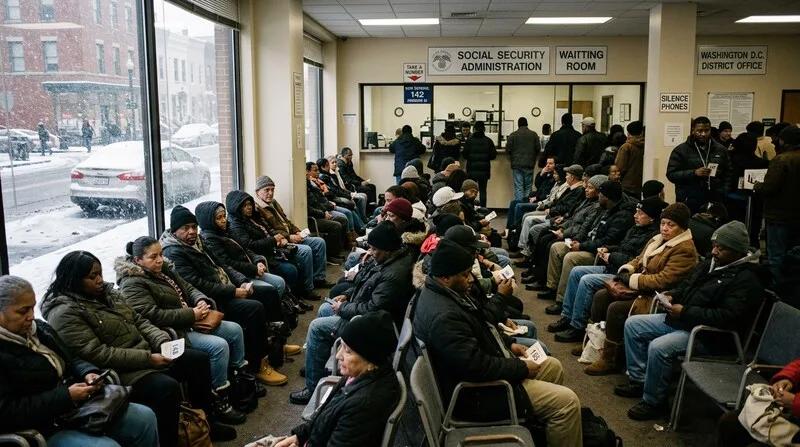
Political scientists have long found that economic conditions at election time are the single strongest predictor of midterm outcomes. When voters feel economically anxious — as they did after peak inflation in 2022 and amid tariff uncertainty in 2025-2026 — the president's party typically loses seats.
But issue salience is not static. The Dobbs decision in June 2022 elevated abortion from a background issue to a first-order concern for millions of voters, particularly suburban women, driving Democratic overperformance. Similarly, a major national security event, a recession, or a high-profile mass shooting can rapidly shift which issues dominate the campaign conversation.
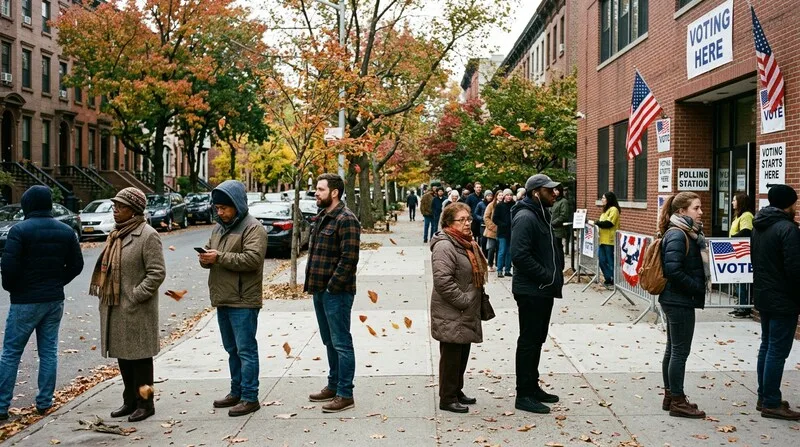
In 2026, polling suggests Republicans hold a structural messaging advantage on immigration and crime, while Democrats benefit from issue environments around abortion, healthcare and economic fairness. The outcome of the midterms will depend heavily on which issues dominate the October 2026 news cycle.

Frequently Asked Questions
What are the top political issues in America in 2026?
The economy and tariffs, immigration, abortion rights, gun control, healthcare costs, and climate policy rank as the defining issues of the 2026 midterm cycle. Economic conditions — particularly the downstream effects of Trump's 2025 tariffs and lingering inflation — are the top concern for independent and swing voters.
How do issues affect the 2026 midterm elections?
Issues shape midterms through two mechanisms: base mobilization and independent voter persuasion. Abortion drives high Democratic turnout; immigration messaging activates the Republican base. Independents are more often swayed by economic conditions. The party that successfully defines which issues dominate the closing weeks of the campaign typically outperforms polling expectations.
Where do Americans stand on abortion in 2026?
Gallup polling finds 61% of Americans believe abortion should be legal in most or all cases — the highest level since Roe was decided in 1973. Support has increased since the Dobbs decision in 2022. Abortion rights ballot measures have passed in six states since Dobbs, including in reliably Republican Kansas (59-41).