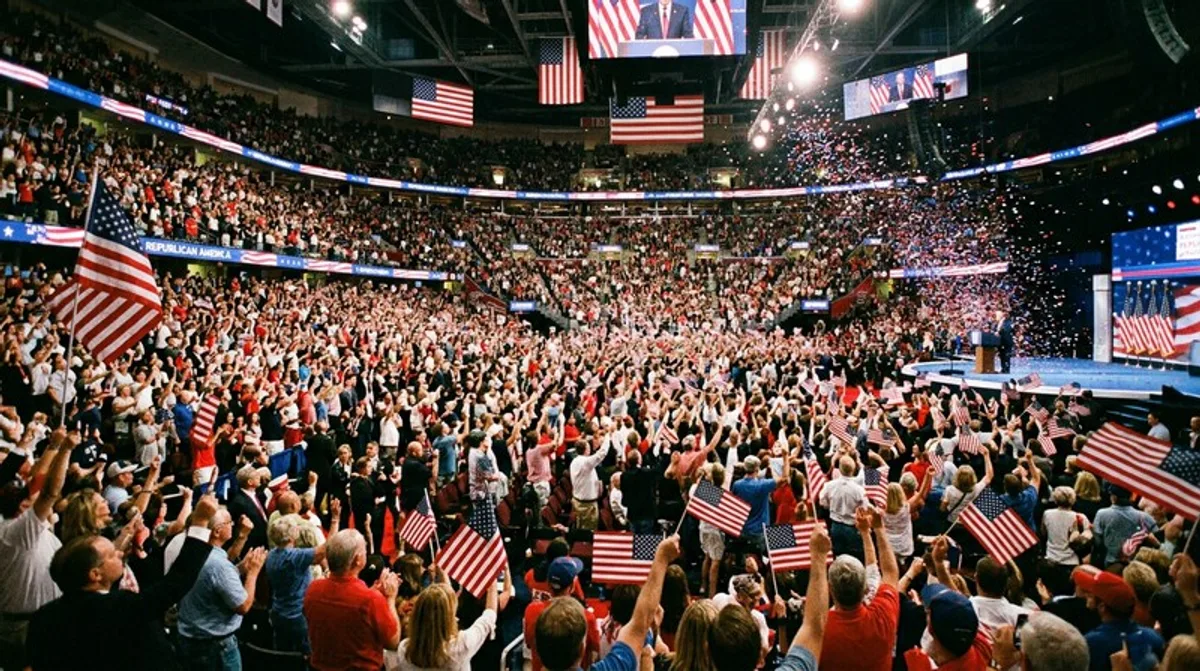
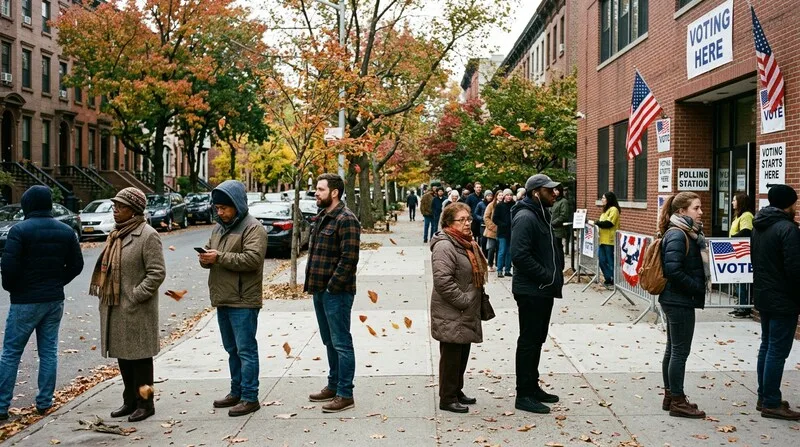
- Democrats lost the popular vote in 2024 for only the second time since 1988, defining the 2028 strategic challenge as structural, not merely candidate-specific
- A 7-point swing among non-college voters from 2012 to 2024 is the central data point in every 2028 strategy debate — how to rebuild that coalition without losing college-educated gains
- 6+ potential 2028 contenders are positioning, none formally declared; the field will crystallize sharply after November 2026 midterm results determine who is validated as a party leader
- Party strategists broadly agree on the diagnosis (working-class economic disconnect, cultural perception problems) but sharply disagree on the prescription: move further left economically vs. moderate on cultural issues
The 2028 Contenders: Early Field
| Candidate | Current Office | 2028 Position |
|---|---|---|
| Gavin Newsom | California Governor | High-profile TV presence, travel, Shadow primary activity. Not formally declared but widely viewed as leading contender. |
| Gretchen Whitmer | Michigan Governor (term-limited 2026) | Midwest credibility, proven electoral success in key swing state. 2026 Senate influence will determine her post-office profile. |
| Josh Shapiro | Pennsylvania Governor | Won PA by 15 points in 2022 while Biden underperformed. Cross-partisan appeal. Seen as template for Democratic competitiveness. |
| Wes Moore | Maryland Governor | First Black governor elected in Maryland. Strong national profile. Would likely need a second-term win in 2026 first. |
| Pete Buttigieg | Former Transportation Secretary | Ran in 2020, won Iowa primary. Strong with college-educated and moderate voters. Lacks Senate or gubernatorial stepping stone for 2028. |
| Kamala Harris | Former VP, 2024 nominee | Lost 2024 general. Divided opinion on whether she runs again. High base loyalty but significant electability concerns among swing-vote focused Democrats. |
What Went Wrong in 2024
The 2024 election was a historic setback for Democrats: Trump won the popular vote for the first time since 2004 for a Republican, and the electoral college was not close. The post-election analysis has converged on several structural problems:
- Working-class realignment: Non-college voters — once the core of the Democratic coalition — shifted Republican by 7-9 points over the 2012-2024 period. This includes non-college Hispanic men (shifted 20+ points toward Trump), non-college Black men (shifted 15+ points), and non-college white women (shifted 6 points). The realignment accelerated in 2024.
- Young male voters: Men under 30 voted Republican for the first time in exit polling history in 2024 (R+13 among men 18-29 in some surveys). This was driven by economic anxiety, cultural messaging, and the failure of Democrats' traditional coalition-building with young voters.
- Economy perception gap: Despite objectively strong economic indicators (low unemployment, strong GDP, wage growth), voter perception of the economy was deeply negative. Democrats failed to translate economic data into felt economic experience.
- Brand toxicity in median districts: Democratic brand on cultural issues (crime, immigration, gender policy, campus protests) polled negatively with the median swing voter even when specific policies polled more positively.
How 2026 Shapes 2028
The 2026 midterms are not just an electoral cycle — they are a proving ground for 2028 Democratic theory of the case. Two narratives compete:
Narrative 1: Opposition unity wins. If Democrats flip the House primarily through base mobilization in suburban voters (college-educated women, young voters, minorities angry about tariffs and DOGE), the 2028 playbook is: run a high-energy base candidate, maximize turnout, and let Trump's unpopularity do the work. This scenario favors Newsom or another progressive-adjacent candidate.
Narrative 2: Working-class bridge-building wins. If Democrats need to win working-class districts in Ohio, Pennsylvania, and Michigan to flip the House — or if 2026 underperforms expectations — the 2028 argument shifts to: Democrats must nominate a candidate who can speak to non-college voters and reduce Trump's margins in rural and exurban areas. This favors Shapiro or a Midwest governor with crossover credentials.
The actual 2026 outcomes will be dissected immediately by political strategists as evidence for one narrative or the other, directly shaping which potential candidates gain momentum for 2028 fundraising and endorsements.
Frequently Asked Questions
Who are the leading Democratic candidates for 2028?
No one has formally declared, but leading contenders include Gavin Newsom, Gretchen Whitmer, Josh Shapiro, Wes Moore, Pete Buttigieg, and potentially Kamala Harris. Governors who win or hold competitive states in 2026 gain significant 2028 momentum.
What does the Democratic Party need to do to win in 2028?
Post-2024 analysis points to key vulnerabilities: a 7-point swing among non-college voters toward Trump since 2012, young male voters shifting Republican, and cultural messaging perceived as out of touch. Party strategists broadly agree Democrats need a candidate who connects with non-college voters on economic anxiety without losing the educated suburban coalition.
How does 2026 affect Democratic 2028 positioning?
A strong 2026 validates the opposition strategy and elevates governors and senators who win battleground state victories. Governors winning Michigan, Pennsylvania, Wisconsin, or Georgia emerge as frontrunners. A weaker-than-expected 2026 triggers deeper intraparty debate about party direction and encourages more challengers to the frontrunner consensus.