The federal minimum wage polling has been $7.25 per hour since 2009 — the longest stretch without a federal increase in American history. Sixty-five percent of Americans want it raised to $15. Thirty states have already moved past that on their own. The political map around minimum wage is complex, but the polling majority is clear.
- Federal minimum wage frozen at $7.25 since 2009; in 2026 real dollars that equals ~$10.20 — a 29% real purchasing power decline over 17 years, the longest period without a federal increase in U.S. history.
- 72% national support for raising the minimum wage — with the strongest support among Black and Hispanic workers, under-35 voters, and union households, all of which are key Democratic coalition components.
- 29 states and DC have set higher state minimums than the federal floor; the $7.25 federal level matters primarily in the 20 states that haven't acted independently — largely Southern and rural R-controlled states.
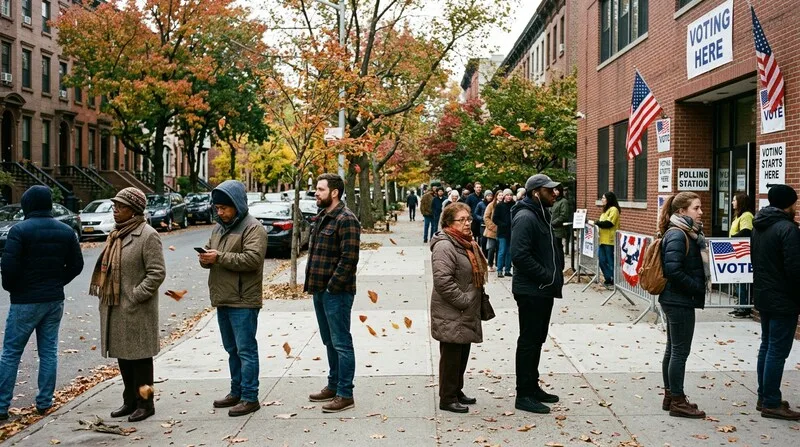
- Ballot measure strategy: minimum wage initiatives win nearly everywhere they appear — Democratic campaigns use them to drive turnout among minimum-wage-supportive demographics in close Senate and House states.
The Federal Floor: $7.25 and Declining in Real Terms
The United States federal minimum wage polling was last raised on July 24, 2009, when it reached $7.25 per hour. Adjusted for inflation using the Consumer Price Index, $7.25 in 2009 was worth approximately $10.20 in 2026 dollars. This means the federal minimum wage has actually declined by about 29% in real purchasing power over 17 years — a sustained wage cut for workers in the 20 states that still default to the federal floor.
The political dynamics that have frozen the federal minimum wage reflect the structural challenge of national legislation: high minimum wages appropriate for San Francisco or New York City may price low-wage workers out of jobs in rural Mississippi or West Virginia. Republican-led Congresses have resisted federal increases by invoking regional cost-of-living differences and CBO projections showing possible job losses, particularly in low-cost-of-living markets. Democrats respond that the job loss projections are contested and that the income and consumer spending gains from a wage increase outweigh the costs.

Polling Breakdown: The Partisan Divide on Minimum Wage
Support for a $15 federal minimum wage shows the expected partisan skew but remains above 50% even among Republican-leaning voters. The 2025 Gallup poll showing 65% overall support breaks down to 91% Democrats, 61% independents, and 37% Republicans. The Republican number is low enough to prevent Congressional passage in a Republican Congress, but high enough to create political difficulty for Republican candidates in swing districts where the issue is polled directly.
Ballot measures on minimum wage have been among the most reliable Democratic-adjacent wins in red and purple states. In 2022, Nebraska voters passed a minimum wage increase 58-42 in a state Trump carried by 19 points. In 2020, Florida voters approved a $15 minimum wage path 61-39 while simultaneously electing Trump by 3 points. These results reflect a consistent polling pattern: minimum wage increases are more popular than the Democratic Party itself, especially among working-class voters who have drifted Republican on cultural issues.
2026: Will Minimum Wage Be a Ballot Measure Battleground?
Several states are expected to have minimum wage ballot measures in November 2026. Organizers in Missouri, Ohio, and potentially other states are exploring citizen initiatives to raise state floors. If these appear on 2026 ballots, they could boost Democratic turnout among low-wage workers while Democrats leverage their positions on the issue to nationalize contrast with Republicans who have opposed federal increases.