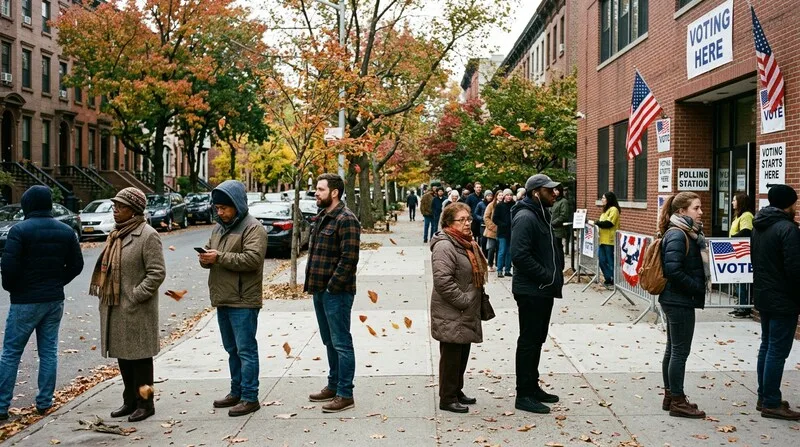
- 87% of Republicans approve of Trump entering 2026 (78% strongly); among self-identified MAGA voters (~65% of the GOP), approval is 96% — base loyalty is near-peak and not the party's vulnerability
- Only 54% of Republicans say they're "very motivated" to vote in 2026 vs. 71% of Democrats — a 17-point enthusiasm gap that is the most dangerous number in Republican midterm strategy
- Candidate quality cost Republicans 2-3 Senate seats in 2022 — MAGA-aligned nominees in Arizona (Blake Masters) and Pennsylvania (Mehmet Oz) underperformed neutral projections by 3-6 points; the same primary dynamic is active in 2026
- Republican base motivators (immigration, anti-woke culture, Trump agenda) are strong in safe-R districts but less relevant in suburban competitive districts where tariff costs and healthcare cuts are the dominant voter concerns
Republican Base Loyalty Trends: 2017–2026
| Year/Period | R Approve Trump | Strongly Approve | Strongly Disapprove | R "Very Motivated" to Vote |
|---|---|---|---|---|
| 2017 (Year 1) | 83% | 62% | 12% | 61% |
| 2018 (Midterms) | 87% | 71% | 10% | 68% |
| 2020 (Election) | 91% | 76% | 7% | 78% |
| 2022 (Midterms) | 82% | 66% | 8% | 62% |
| 2024 (Election) | 92% | 81% | 5% | 82% |
| 2026 (Early) | 87% | 78% | 5% | 54% |
The drop from 82% "very motivated" in 2024 to 54% in early 2026 reflects the normal midterm enthusiasm decline for the president's party. The question is whether it stabilizes or declines further.
Primary Dynamics: The Candidate Quality Problem
The Republican Party's most significant 2026 challenge is not base loyalty — 87% approval is strong by any measure — but rather the tension between primary electorate preferences and general election viability. Republican primary electorates in competitive states like Wisconsin, Colorado, Arizona, and Maine are substantially more conservative and MAGA-identified than the general election electorates in those states. A candidate who can win a Republican primary in Wisconsin's competitive 3rd congressional district or in the Colorado Senate primary may hold positions on immigration, abortion, and trade that cost 5-8 points in a general election.
The 2022 midterms provided a clear empirical test. Republicans nominated MAGA-aligned candidates in Arizona (Senate: Blake Masters), Pennsylvania (Senate: Mehmet Oz, Gov: Doug Mastriano), Georgia (Gov: Kandiss Taylor) and Nevada (Senate: Adam Laxalt) — and underperformed neutral-environment projections by 3-6 points in each case. Forecasters attribute 2-3 lost Senate seats in 2022 to candidate quality. The same dynamic is present for 2026, and Republican party leadership has limited tools to influence primary outcomes given the decentralized, voter-driven nature of primaries.
What Motivates Republican Base Voters in 2026
The single highest-salience issue for Republican base voters. Trump's immigration enforcement actions in 2025 are viewed favorably by 83% of Republicans, providing a strong policy reward motivation.
Republican voters are more likely to blame 2021-2023 inflation on Biden and Democrats than on current conditions, providing continued economic motivation despite mixed economic approval for Trump's 2025-2026 policies.
DEI, education, gender identity, and "woke" issues continue to motivate conservative base voters. The administration's 2025 executive actions on these topics generated high Republican approval (84%) and serve as motivation.
Bottom Line: A Solid Floor, a Competitive Ceiling
The Republican base in 2026 is loyal, ideologically coherent, and motivated by specific policy issues. The 87% Trump's approval and 65% MAGA identification provide a reliable floor that makes catastrophic Republican losses (2006-level, 2018-level) unlikely. But the 17-point enthusiasm deficit relative to Democrats, combined with candidate quality risks from primary dynamics, means the Republican ceiling in competitive races is limited. In a wave environment, the Republican base's enthusiasm disadvantage compounds — their reliable voters show up, but fewer marginal voters turn out when the opposing party has higher intensity. Rating of Republican base position for 2026: Strong floor (holds Safe/Likely R seats comfortably), limited ceiling in competitive seats due to enthusiasm gap and candidate quality risk.