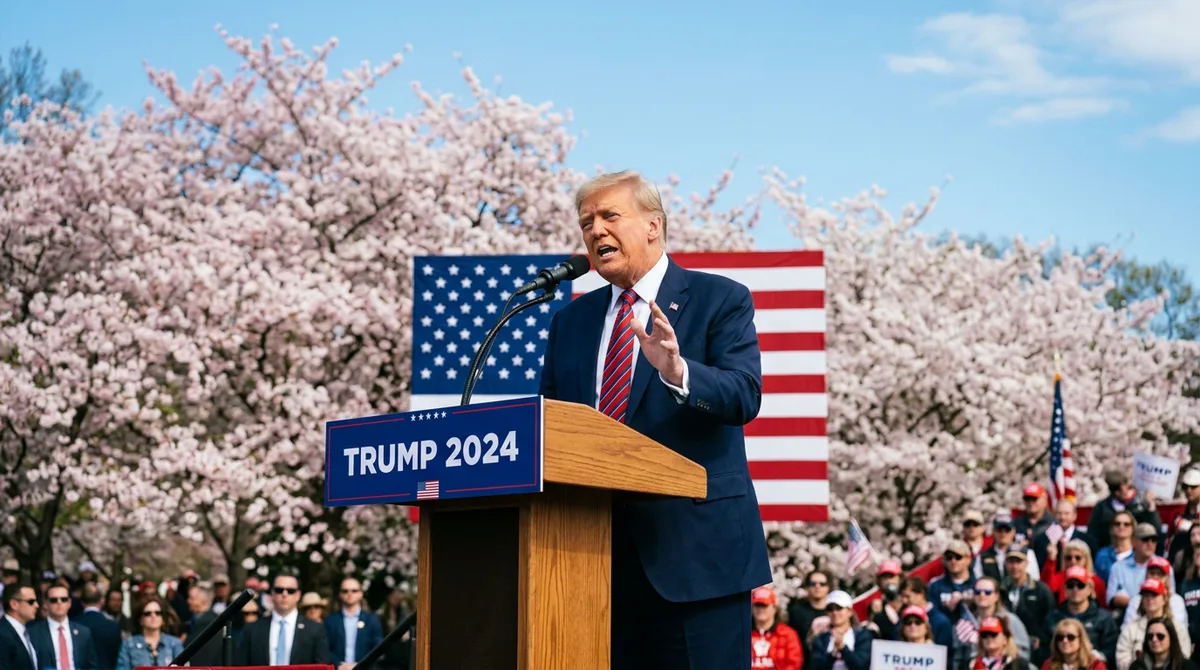
- The July 2024 Trump v. United States ruling granted presidents absolute immunity for official acts within core constitutional authority and presumptive immunity for all other official acts — the broadest presidential immunity doctrine in US history.
- The practical immediate effect: collapse of the federal January 6th criminal case, with DOJ under the Trump administration formally dismissing charges in early 2025.
- The ruling's effects have radiated outward: courts in 2025–2026 are grappling with whether cabinet secretaries and agency heads can claim similar protections for policy decisions — directly affecting DOGE litigation and EPA rollback challenges.
- SCOTUS institutional approval fell further after the immunity ruling, sitting at approximately 40% in early 2026 — near historic lows, with the collapse concentrated among Democrats and Democratic-leaning independents.
- Democratic calls for court reform (term limits, mandatory ethics codes, expansion) poll at majority support, but implementing any reform without a Senate supermajority is constitutionally and politically complex.
The Ruling and Its Legal Aftermath
The July 2024 Trump v. United States ruling fundamentally altered the legal framework for presidential accountability. By creating a category of absolute immunity for official acts within core constitutional authority, and presumptive immunity for all other official acts, the 6-3 majority created a near-impenetrable shield against federal criminal prosecution of any sitting or former president for conduct related to official duties. The practical effect was the collapse of the federal January 6th case against Trump, with DOJ under the new administration formally dismissing the charges in early 2025.
The ruling's effects radiated outward from the immediate Trump cases. State and federal courts in 2025 and early 2026 began grappling with what the immunity framework means for executive branch officials below the presidential level. Can a cabinet secretary invoke similar protections for policy decisions? Can agency heads facing civil liability claims for regulatory decisions argue that official acts are categorically protected? These questions are working through the courts with implications for DOGE-related spending controversies, EPA rollbacks challenged by state attorneys general, and Department of Homeland Security enforcement practices.
The Supreme Court's own institutional approval ratings have suffered. The Court's overall approval sits at approximately 40% in early 2026 — near the lowest in modern polling history. Public trust in the Court as an impartial institution has eroded significantly since the Dobbs decision in 2022, and the immunity ruling accelerated that erosion among non-conservative Americans. Democratic calls for Supreme Court reform — term limits, ethics codes, expansion — poll at majority support but remain politically complex to implement.
Public Opinion on Presidential Immunity & Court Reform
| Question / Issue | Support | Oppose | Independent Split |
|---|---|---|---|
| Approve of immunity ruling | 35% | 55% | 34% / 57% |
| Presidents should face criminal liability for official acts | 63% | 27% | 64% / 26% |
| Support SCOTUS term limits (18 years) | 67% | 23% | 68% / 21% |
| Support mandatory SCOTUS ethics code | 74% | 18% | 76% / 16% |
| Approve of Supreme Court overall | 40% | 51% | 38% / 54% |
Sources: Gallup SCOTUS polling; Marquette Law School poll; AP-NORC February 2026.

Electoral Implications: Courts as a Mobilizing Issue
The Supreme Court as an institution has become a mobilizing issue for Democratic voters in a way it never was before the Trump era. The combination of Dobbs, the immunity ruling, and questions about ethics and conflicts of interest involving several justices has elevated the Court to a top-five motivation for Democratic base voters. However, the Court is a more complex issue for swing voters, who tend to care more about specific rulings affecting their lives than about the abstract institutional integrity of the judiciary.
Democratic Senate candidates in 2026 are weaving the immunity ruling into a broader argument about accountability and checks and balances. The most effective formulation in focus groups involves connecting the immunity ruling to local DOGE impacts: "They've given the president immunity from prosecution and then used that power to cut the services your family depends on, with no accountability to anyone." This framing connects an abstract legal ruling to tangible, local consequences in a way that resonates beyond ideologically committed voters.
Republican incumbents largely avoid discussing the immunity ruling, calculating that defending it provides no political upside while engaging with the topic keeps a negative narrative alive. Their preferred posture is silence or pivot to economic issues. This strategy may work in safe districts but is more challenging for incumbents in competitive races where Democratic opponents have the resources to force the conversation through advertising.
The presidential immunity ruling is an important structural backdrop for 2026 rather than a primary swing-voter persuasion issue. Its most significant electoral effects are motivating Democratic base enthusiasm, eroding SCOTUS polling to near-historic lows (40%), and providing a framework for Democratic arguments about unchecked executive power. The 74% support for mandatory SCOTUS ethics codes reveals a genuine bipartisan appetite for court reform that could power 2026 candidate messaging effectively.