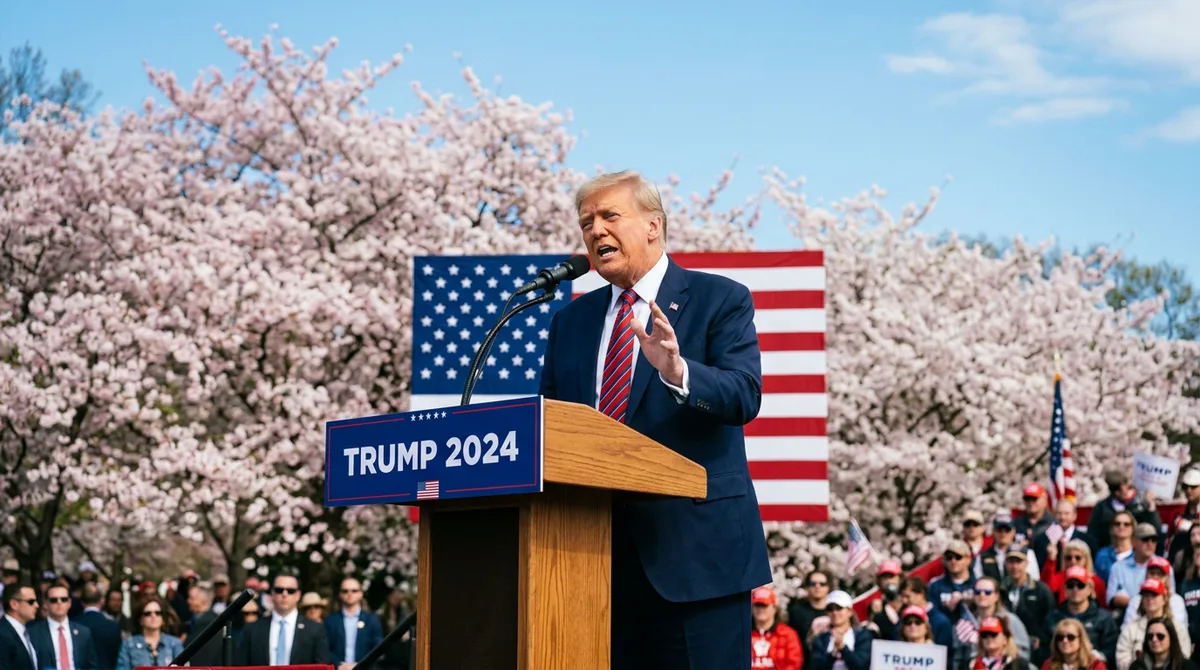

- Trump 1st term (ex-COVID): GDP +2.3% avg, unemployment 3.5% low, S&P +67%, inflation ~2.1%/yr — a genuinely strong low-inflation record that shapes voter memory
- Biden term: GDP +3.1% (stronger growth than Trump 1.0), but cumulative inflation +20.1% — high employment stats couldn't overcome the visceral cost-of-living impact on voter approval
- Trump 2nd term first year: GDP +0.4% (Q1 2025), S&P -8%, consumer confidence 88 vs. 137 peak in first term — tracking significantly worse than either prior presidential record
- Key difference: Trump 1.0 had no significant tariff regime in year one; Trump 2.0 opened with immediate aggressive tariffs — that's the single biggest divergence from the strong first-term record
- Voters feel prices more viscerally than GDP statistics — this explains why Biden's stronger GDP numbers didn't help approval, and why Trump's low-inflation first term is remembered favorably
Trump 1.0: Strong Foundation, COVID Collapse
Trump's first term economic record is genuinely strong on its pre-COVID merits. The 2017 Tax Cuts and Jobs Act provided fiscal stimulus that supercharged corporate earnings and stock buybacks, helping drive the S&P 500 to record levels. Unemployment fell to a 50-year low of 3.5% in 2019. GDP growth averaged 2.3% excluding 2020. Inflation was virtually nonexistent — averaging just 2.1% annually through 2019. Wages grew modestly but real purchasing power remained intact. This is the economic reality that many voters are comparing to the Biden years, and the comparison favors Trump in terms of price stability even though GDP growth was higher under Biden. The COVID shock of 2020, which caused GDP to contract 3.4% and unemployment to spike to 14.7%, is the central complication in assessing Trump's first-term record.
Biden: Strong Growth, Devastating Inflation
Biden's economic record is a paradox. On headline metrics, it is impressive: GDP averaged +3.1% annually (the fastest of any recent administration), unemployment fell to 3.4% (a 54-year low), and the stock market gained 53%. The American Rescue Plan injected $1.9 trillion into a recovering economy; the bipartisan infrastructure law and the Inflation Reduction Act directed hundreds of billions toward manufacturing, clean energy, and transportation. But cumulative inflation of 20.1% over four years devastated the purchasing power of lower- and middle-income Americans in ways GDP statistics do not capture. Housing prices rose 35%. Grocery prices rose 25%. Gasoline peaked above $5/gallon nationally. Voters' lived experience of the economy diverged sharply from the macroeconomic data, and this gap between "the economy is doing well" and "I can't afford things" became Biden's central political vulnerability.

Trump 2.0: Opening Worse Than Either Prior Record
Trump\'s approval is tracking significantly worse than his first by almost every comparable indicator. GDP growth in Q1 2025 was 0.4% annualized versus the 2.8% average of Trump's first-term pre-COVID years. Consumer confidence has fallen from 105 at inauguration to 88 by April 2025 — the steepest first-quarter confidence decline since 2009. The S&P 500 is down 8% from inauguration day versus a 25% first-year gain in Trump's first term. Unemployment has risen from 4.1% to 4.3%. The key difference is the tariff regime: Trump's first term used selective tariffs on steel, aluminum, and Chinese goods with exemptions and carve-outs; the second term has deployed a universal baseline tariff on all imports with no exemptions. The economic impact is materially different in scale and scope, and the data shows it.
Frequently Asked Questions
Who had the better economic record: Trump 1.0 or Biden?
On GDP growth and employment, Biden's record is stronger. On inflation and price stability, Trump's first term is vastly superior. Voters experience prices directly and GDP abstractly — hence the perception that the economy was better under Trump despite Biden's higher GDP growth.
Why do voters feel the economy was better under Trump?
Trump's first term had minimal inflation (7.7% cumulative over 4 years vs. Biden's 20.1%). Low gas prices, low grocery costs, and low housing inflation create a feeling of financial comfort that persists in memory even when GDP was technically lower. Voters process price levels more viscerally than growth statistics.
How is Trump's 2nd term tracking economically?
Significantly worse than Trump 1.0. GDP +0.4% in Q1 2025 vs. +2.8% average in Trump's first pre-COVID years. S&P -8% vs. +25% first-year gain. Consumer confidence down 17 points. The universal tariff regime is the primary structural difference from Trump's first term.