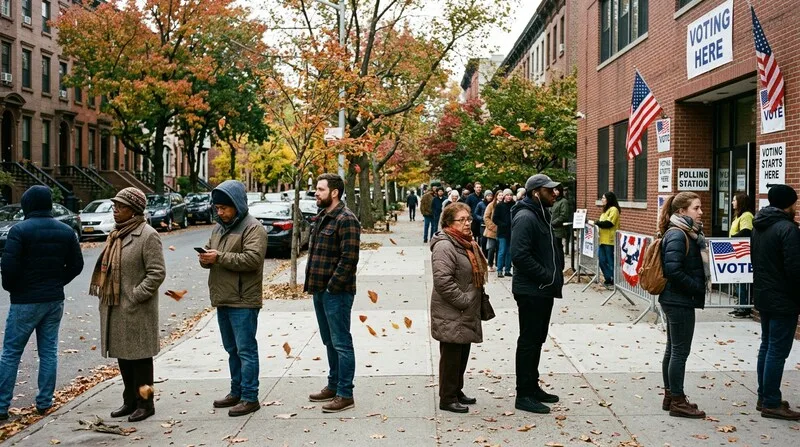
- R majority stands at 220-215; Democrats need a net gain of only 3–5 seats — well within the 20–25 R-held Toss-up/Lean R seats currently in play
- Top 3 most vulnerable Rs all won by under 2 points in 2024: AZ-6 (+1.2%), NJ-7 (+1.8%), NY-17 (+2.1%)
- NY and NJ have the highest concentration of competitive R seats; SALT cap, abortion, and DOGE define the suburban battlefield
- R incumbents are strategically distancing from DOGE cuts and unpopular SNAP reductions while NRCC concentrates resources on the 15 most exposed members
The 10 Most Vulnerable Republican House Seats: Ranked
| Rank | District / Member | 2024 Margin | Key Vulnerability | Cook/Sabato Rating |
|---|---|---|---|---|
| 1 | AZ-06 — Juan Ciscomani (R) | +1.2% | Thin margin, Latino voter turnout, border/healthcare | Toss-Up |
| 2 | NJ-07 — Tom Kean Jr. (R) | +1.8% | SALT cap, suburban NJ shift, Medicaid concerns | Toss-Up |
| 3 | NY-17 — Mike Lawler (R) | +2.1% | SALT, abortion, DOGE — suburban NY = battlefield | Toss-Up |
| 4 | MI-07 — Tom Barrett (R) | +1.8% | Laning Dem recruited strong challenger, auto economy | Lean R |
| 5 | CA-27 — Mike Garcia (R) | +1.5% | LA suburbs, SNAP, veterans issues, climate | Lean R |
| 6 | VA-02 — Jen Kiggans (R) | +3.2% | Military/veterans (Hampton Roads), DOGE DoD cuts | Lean R |
| 7 | PA-01 — Brian Fitzpatrick (R) | +8.9% | Biden-Trump split district, SNAP, suburban Philly | Lean R |
| 8 | CO-08 — R successor (R) | +2.1% | Caraveo seat flipped 2024, re-flip possible | Toss-Up |
| 9 | NY-03 — George Santos successor (R) | +1.3% | Tom Suozzi won special; 2024 R reclaim — both competitive | Toss-Up |
| 10 | OR-05 — R (Chavez-DeRemer left for cabinet) | +2.4% | Open seat risk, suburban Portland, healthcare focus | Lean R |

The New York Problem for Republicans
New York is the epicenter of Republican House vulnerability in 2026. The state's Republican members represent three of the ten most competitive seats nationally, and the dynamics are particularly adverse: New York suburbs have been trending Democratic since 2018 at the presidential and gubernatorial level, the SALT cap is a live economic issue for homeowners paying $15,000-$30,000+ in annual property taxes, and abortion rights remain a mobilizing issue for college-educated suburban women who swung toward Democrats after Dobbs.
Mike Lawler (NY-17, Westchester and Rockland counties) and Tom Kean Jr. (NJ-07, suburban Morris and Union counties) have been the most vocal Republican voices for SALT cap relief for this reason. Their districts are exactly the kind of affluent, educated suburban constituencies where SALT pain is most acute and where Trump's approval is lowest. Both members have established independent brands by publicly breaking with unpopular administration positions — a strategy that may be their best path to survival but creates tensions with party leadership.
Democratic Opportunity Map vs. Republican Hold Strategy
The DCCC's targeting strategy focuses on districts where the combination of 2024 margins under 5%, Trump's approval below 44%, and specific policy vulnerabilities (SNAP, Medicaid, DOGE service cuts) creates a viable path. Healthcare is the primary policy attack vector — the reconciliation bill's Medicaid work requirements and SNAP cuts provide specific, quantifiable targets that can be localized to district-level impact. Democratic candidates are pledging to protect Social Security, Medicare, and Medicaid in virtually every competitive race.
The NRCC hold strategy focuses on early money deployment to shore up the most vulnerable members, forcing Democrats to defend seats in red-leaning districts (several Texas and Florida districts that lean Democratic are on the board), and nationalizing races around immigration and crime rather than healthcare and economy. Republican incumbents in competitive districts are being given some legislative cover — allowed to vote against the reconciliation bill's most unpopular provisions — to avoid the "they voted to cut your food stamps" attack ads that Democrats are preparing.
Q1 2026 FEC filings show Democratic challengers outraising Republican incumbents in 7 of the 10 most competitive seats. Small-dollar grassroots fundraising is running at 2018 wave-level paces in several districts. DCCC has designated 22 districts as "Red to Blue" top targets with maximum national investment. The NRCC has declared 14 seats as "Frontline" — acknowledging their vulnerability while committing resources.
The generic congressional ballot (April 2026 average): Democrats +2.8%. Historical modeling suggests a +3% generic ballot environment at this stage corresponds to roughly 20-25 seat gain for the opposing party in a midterm — enough for Democrats to flip the House. The generic ballot has been in this range since January 2026 without meaningful movement, suggesting a stable rather than accelerating environment.
Special elections in 2025-2026 have been closely watched as environment indicators. Two House specials in 2025 showed Democratic overperformance relative to 2024 partisan baselines by an average of 8-12 points — consistent with a wave environment. If this overperformance persists into November 2026 general elections, it would translate to a Democratic House majority with seats to spare.