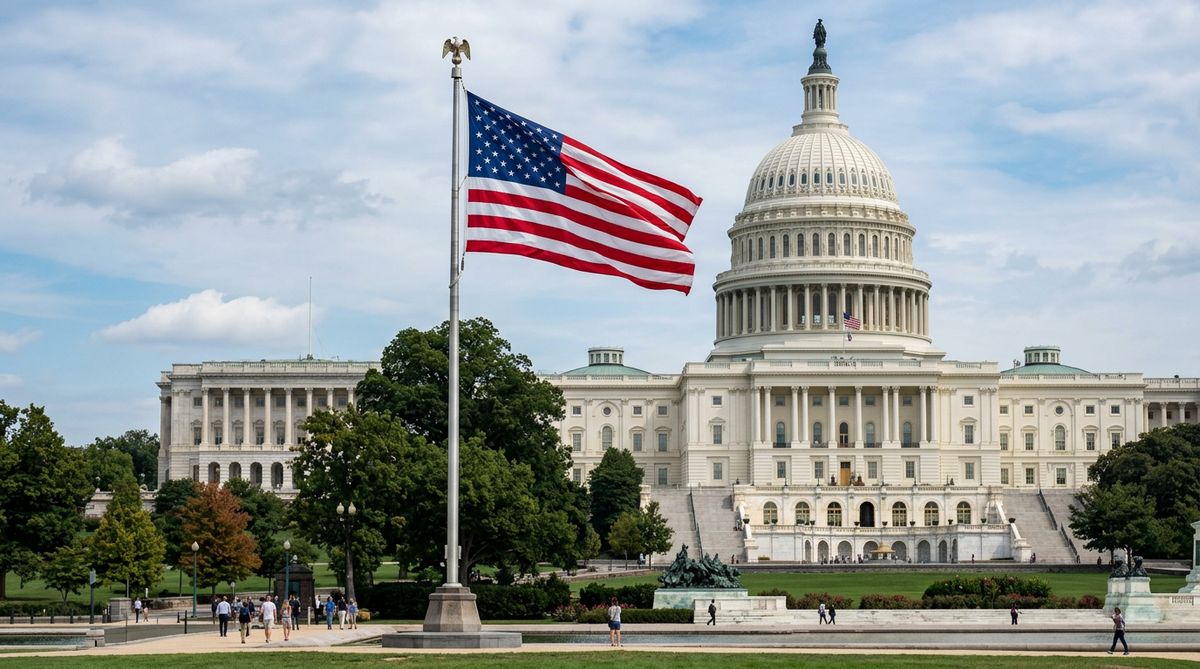

Election Day is no longer a single day in most of America. 47 states allow early voting, and 100 million Americans voted before Election Day in 2024. The rules governing when, how, and where Americans can vote increasingly shape which campaigns win and lose.
Early Voting Rules by Key Battleground State
| State | Early Voting Days | Mail Ballot Access | Registration Deadline | 2024 Early % of Total |
|---|---|---|---|---|
| Georgia | 17 days (incl. Sat) | No-excuse absentee | 28 days before | ~67% |
| Wisconsin | 14 days | No-excuse absentee | Day of (same-day reg) | ~54% |
| Pennsylvania | 50 days mail; 3 satellite | No-excuse mail-in | 15 days before | ~40% |
| Arizona | 27 days | Permanent mail list | 29 days before | ~79% |
| North Carolina | 17 days | No-excuse absentee | 25 days before | ~55% |
| New Hampshire | No early voting | Absentee w/ excuse | Election Day (SDR) | ~23% |
How Early Voting Changed Campaign Strategy
The expansion of early voting has fundamentally altered campaign resource allocation. In 2008, campaigns focused 80% of GOTV spending in the final week before Election Day. In 2026, competitive campaigns spread GOTV spending across 3–4 weeks of early voting, attempting to “bank” votes from persuaded supporters as early as possible. A voter who has already cast their ballot cannot be influenced by late-breaking news or October surprises.
Early vote “banking” has become a specialized campaign science. Operations like the Nevada Democratic coordinated campaign and Georgia’s New Georgia Project build detailed models of who has voted early and who has not, enabling targeted calls and canvassing to chase outstanding identified supporters throughout the early period rather than only on Election Day.
All-Mail States: Colorado as a Model
Colorado’s all-mail voting system, implemented statewide in 2014, has become the reference model for turnout expansion. Colorado consistently ranks among the top 5 states in voter turnout, achieving 64%+ in midterm years when the national average is 45–50%. Every registered voter receives a ballot automatically; voters can return it by mail, at a drop box, or at a voting center. There is no no-excuse requirement because everyone gets a mail ballot by default.
Oregon and Washington have operated similar systems since the 1990s (Oregon) and early 2000s (Washington). Utah converted to all-mail voting in 2019. Hawaii implemented it in 2020. Each conversion has been followed by measurable turnout increases, particularly among young voters and new registrants who benefit most from the convenience of not needing to travel to a polling place.
Republican Efforts to Restrict Mail Voting Post-2020
Following Trump’s 2020 election loss, Republican-controlled legislatures in multiple states moved to restrict mail voting access. Florida eliminated the option to automatically receive mail ballots for future elections; Georgia added new ID requirements for absentee ballots and restricted ballot drop boxes; Texas banned drive-through voting and 24-hour voting that had boosted Houston turnout. These laws reduced the ease of mail voting in these states for 2022 and 2024.
The partisan effect is debated: Republicans increased their own use of early and mail voting in 2022 and 2024, partially offsetting the structural Democratic advantage. Voter turnout in Georgia and Florida did not collapse after restrictions. The most significant effect has been on specific populations — elderly voters who relied on ballot drop boxes, urban voters who used 24-hour sites — that skew Democratic.