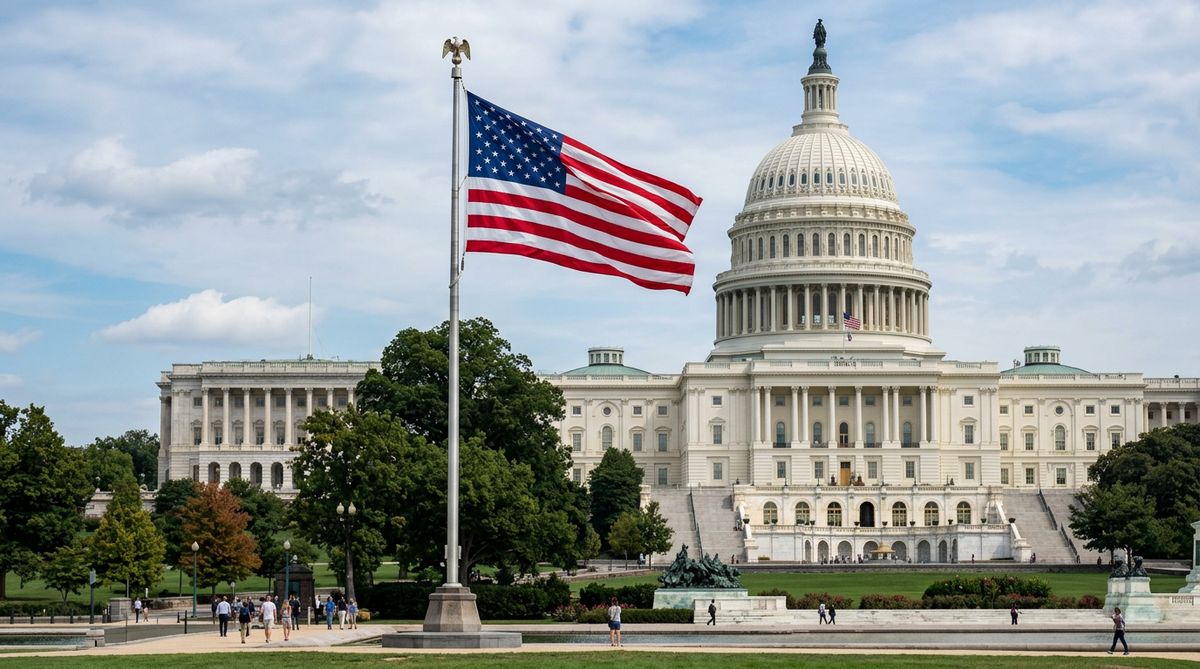
2006 Midterm Elections: Democrats Take Back Congress
Democrats flipped 31 House seats and won the Senate majority on the strength of Iraq War opposition, Katrina anger, and Republican scandal fatigue. Nancy Pelosi became Speaker. The 2006 wave is the closest historical analog to the 2026 scenario Democrats are working toward.
Key Results
| Race/Metric | Result | Significance |
|---|---|---|
| House popular vote | D+7.9% (54.4% D, 44.3% R) | Strong D popular vote margin |
| House seats | D 233, R 202 (D gain of 31) | Democrats won majority; Nancy Pelosi became first female Speaker |
| Senate | D 49+2I, R 49 (D gain of 6) | Dems flipped VA, MD, MO, MT, PA, OH — first D Senate majority since 1994 |
| Governors | D net +6 | D flipped OH, PA, CO, NY, MD, MA, AR, MN |
| Key Senate flips (D) | Bob Casey (PA), Jim Webb (VA by 0.3%), Sherrod Brown (OH), Jon Tester (MT by 0.1%) | Close wins in competitive states; Brown still in Senate 2026 |
| Bush approval | 37-38% | Never recovered from Katrina (August 2005); Iraq approval collapsed to 30% |
What Drove the Democratic Wave
Iraq War Opposition
By November 2006, only 37% approved of the Iraq War — down from 75% at the March 2003 invasion. 2,800+ American service members had died, with no end in sight. "Stay the course" failed as a message when the course was visibly failing. Exit polls showed 58% opposed the Iraq War, and those voters went D by 80-17%. Iraq was the single strongest driver of the 2006 result.
Katrina Competence Crisis
Hurricane Katrina (August 2005) destroyed New Orleans and destroyed Bush's image of competence. FEMA director Michael Brown's infamous "Brownie, you're doing a heckuva job" became a symbol of government failure. Bush's approval dropped from 50% to 40% in September 2005 and never recovered. The image of Americans stranded on rooftops while the federal government fumbled made "Republican competence" an oxymoron for many voters.
Republican Scandals
A cascade of Republican scandals dominated 2005-2006. Lobbyist Jack Abramoff pled guilty to fraud, implicating multiple Republican members of Congress. Rep. Mark Foley resigned over inappropriate messages to House pages. Majority Leader Tom DeLay was indicted on money laundering charges. Rep. Randy Cunningham pled guilty to taking $2.4M in bribes. Democrats successfully ran on a "culture of corruption" message.
2006 vs. 2026: The Comparison
| Metric | 2006 (D wave) | 2026 (current) | Verdict |
|---|---|---|---|
| Presidential approval | Bush 37% (R) | Trump 43% (R) | 2006 worse for R; 2026 still under threshold |
| Generic ballot | D+7.9% | D+6% | Similar — 2006 slightly better for D |
| Galvanizing issue | Iraq War unpopular (-40 net) | Medicaid cuts (-59 net) | Both strong; 2026 issue polls worse |
| Economic conditions | GDP +3.0%, unemployment 4.4% | GDP -0.3%, inflation 3.8% | 2026 economy worse for R |
| House seats at risk | R exposed from 2004 Bush coattails | R 5-seat majority, minimal exposure | 2006 map richer for D; 2026 D need only 5 |
| Senate map | Moderately D-favorable | Moderately D-favorable (R defend 22) | Similar advantage for D |
| Scandal factor | Multiple GOP scandals (Abramoff, Foley) | DOGE cuts, tariff damage, Jan 6 legacy | Different nature, similar effect |
A 2006-level result in 2026 would mean D+30 House seats and D+4-6 Senate seats — enough to flip both chambers. The political environment is comparable; the key uncertainty is whether the issues driving Democratic enthusiasm (Medicaid cuts, tariff costs) produce 2006-level mobilization among Democratic-leaning voters.