Top Toss-Up & Lean Races


Why Governor Races Matter in 2026
The 2026 gubernatorial elections are among the most consequential in a generation. With 36 states electing governors, the cycle will reshape the political landscape heading into the 2028 presidential race and the next decade of state policy. Governors sit at the intersection of federal policy and state implementation — they are the officials who decide whether to expand Medicaid, how to enforce or restrict abortion access following Dobbs, and how aggressively to contest or cooperate with federal immigration enforcement. The outcomes in 2026 will have immediate, tangible consequences for tens of millions of Americans.
Several major open seats created by term limits elevate the stakes further. Michigan, Wisconsin, North Carolina, and Minnesota all have term-limited Democratic governors, meaning Democrats must defend competitive open seats without the incumbent advantage. This is structurally challenging: open seats in purple states almost always become toss-ups regardless of the previous partisan lean, and Republicans will invest heavily in each.
The trifecta dimension adds another layer of consequence. A trifecta — when one party controls the governorship and both chambers of the state legislature — allows that party to enact sweeping legislation without obstruction. Democrats currently hold trifectas in Michigan, Wisconsin (partially), and Minnesota. Losing any of these governorships would hand Republicans the ability to roll back abortion protections, restructure public employee unions, or tighten voting access. Republicans, meanwhile, are seeking to consolidate their hold on states like Florida and Texas while expanding into competitive territory.
The 2028 presidential positioning angle should not be underestimated. Governors who win convincingly in battleground states in 2026 immediately become credible national figures. A Democrat who holds Michigan or flips a red state, or a Republican who wins in a blue-leaning state, would enter the 2028 cycle with enormous leverage. The governor's race map in 2026 is, in effect, the first primary of the next presidential cycle.
Finally, several of these races will turn on issues that are driving the national political conversation: abortion rights enforcement (especially in states without codified protections), water and infrastructure policy in the Sun Belt, public education funding battles, and the economic legacy of the post-COVID manufacturing reshoring boom. Voters in Michigan, Pennsylvania, and Wisconsin are deeply attuned to auto and manufacturing employment — and the governors elected in 2026 will manage that industrial transition through at least 2030.
Current Governor Composition (All 50 States)
All 50 US governorships as of early 2026. Republicans hold 27, Democrats hold 23. 36 of these states hold elections in November 2026.
Battleground Races 2026
Key Race Profiles

Michigan Governor 2026
Whitmer term-limited. Open seat in a critical battleground.

Wisconsin Governor 2026
Evers term-limited. Purple state, Act 10 legacy at stake.
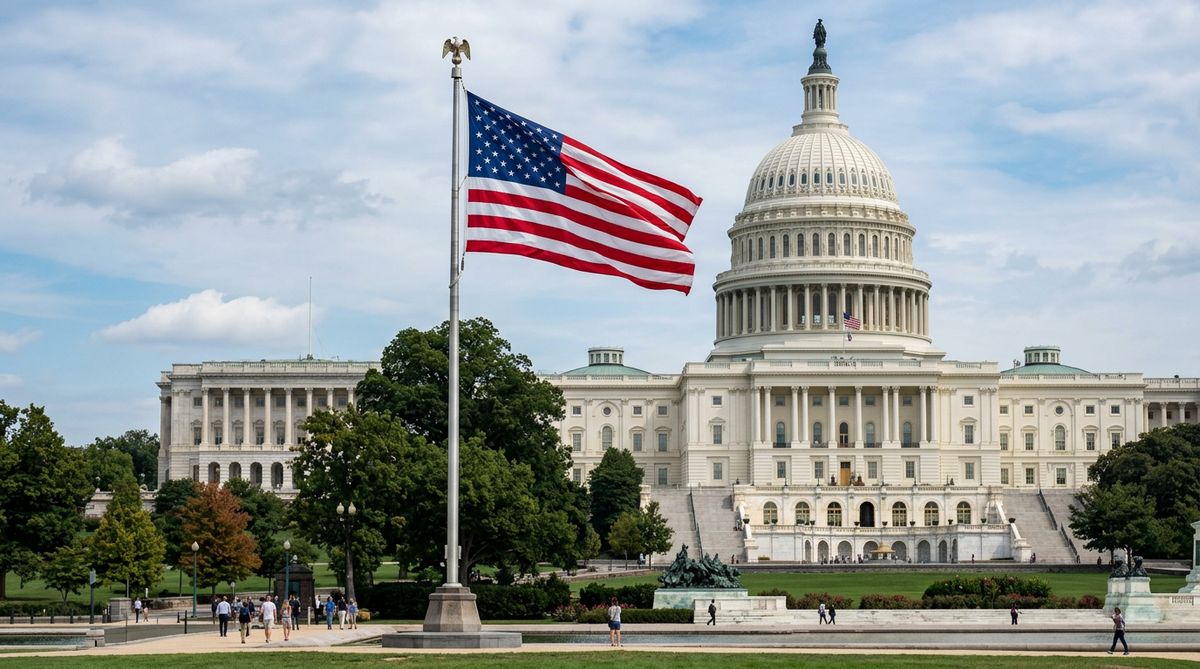
North Carolina Governor 2026
Cooper term-limited. Stein vs. Robinson in a pivotal contest.
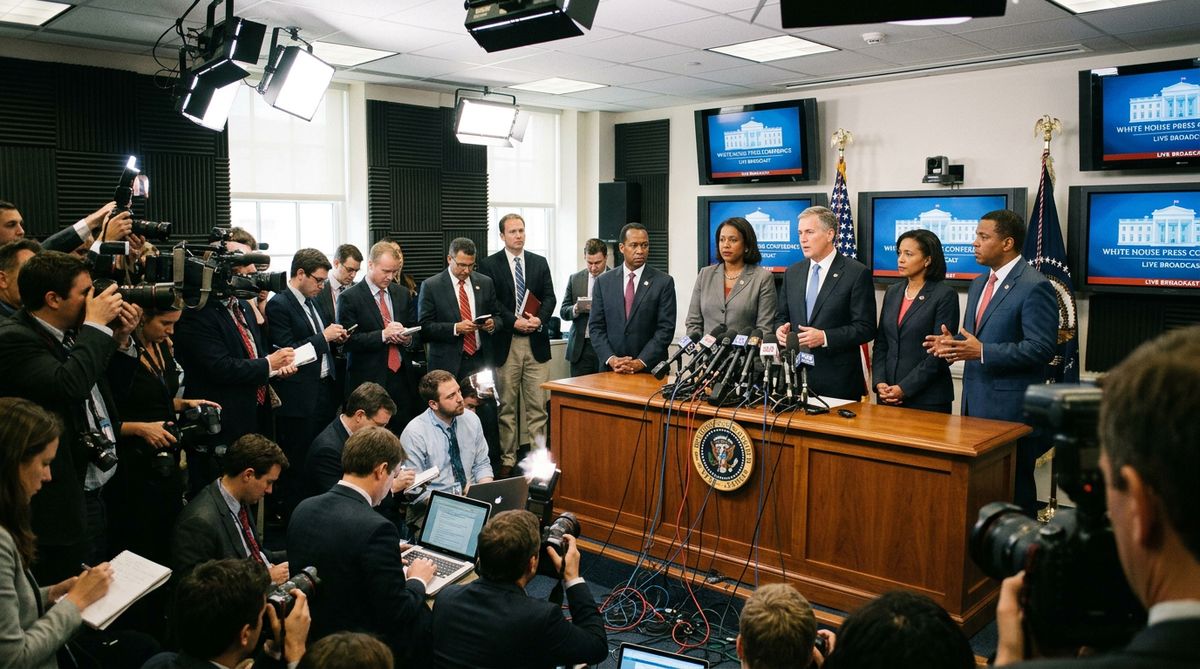
Arizona Governor 2026
Hobbs re-election. Won by 0.6% in 2022 — extreme vulnerability.
Pennsylvania Governor 2026
Shapiro runs for Senate. Open seat; Lt. Gov. Austin Davis leads D field.
Minnesota Governor 2026
Walz term-limited after VP run. DFL defending 20-year governor streak.
Florida Governor 2026
DeSantis term-limited. Open seat in a state Trump won by 13 points.
Nevada Governor 2026
Lombardo re-election. Won by 1.2% in 2022 — one of the most competitive states in the West.

Ohio Governor 2026
DeWine term-limited. Open seat — but Ohio's 2023 abortion vote (57% Yes) complicates the picture for Republicans.
Texas Governor 2026
Abbott re-election. THE long-term Democratic expansion target — not yet a 2026 pickup opportunity.
Illinois Governor 2026
Pritzker seeks 3rd term. Billionaire self-funder with Chicago structural lock.
California Governor 2026
Newsom term-limited. Open seat sets up the next potential 2028 or 2032 presidential contender.
New York Governor 2026
Hochul re-election. Won by only 6.9 pts in 2022 — crime and cost of living keep NY on the competitive map.
Colorado Governor 2026
Polis term-limited. Open seat in a state that has shifted structurally Democratic — Harris +11 in 2024.
New Hampshire Governor 2026
Ayotte re-election. Harris won NH for president in 2024 while Ayotte won the governorship — quintessential split-ticket state.
Virginia Governor 2026
Youngkin barred from re-election (Virginia's unique 1-term rule). Opposing-party wins in 9 of 10 cycles — history favors Democrats with Trump in office.
Georgia Governor 2026
Kemp term-limited. High-profile open seat in a true battleground — Abrams could run a third time as Atlanta's suburbs continue diversifying.
New Jersey Governor 2026
Murphy term-limited. NJ nearly elected a Republican in 2021 (D+16 state, 3.2 pt win). Property taxes and NJ Transit make this a genuine battleground.
Maryland Governor 2026
Wes Moore re-election. Safe D state — the real story is Moore's national profile and potential 2028 presidential positioning.
Maine Governor 2026
Janet Mills seeks a third term. Maine's CD-2 rural district votes Trump +7 while statewide Democrats prevail — ranked-choice voting and a deep rural-urban split define this purple state.
Iowa Governor 2026
Kim Reynolds not running. Open seat in a state that went from Obama +6 to Trump +13 — a dramatic rightward realignment. The Republican primary is the only competitive race.
Indiana Governor 2026
Holcomb term-limited. Open seat in a state Trump won by 18 points. The LEAP Lebanon 9,000-acre advanced manufacturing mega-site is the defining economic legacy the next governor inherits.
Utah Governor 2026
Spencer Cox re-election. Safe R but unusual — Trump won Utah by only 13 points, far below comparable deep-red states, reflecting LDS voters' independent streak. Great Salt Lake crisis is the defining environmental challenge.
Oklahoma Governor 2026
Kevin Stitt eligible for a third term. Oklahoma hasn't elected a Democratic governor since 2006. The McGirt Supreme Court decision — making half of eastern Oklahoma tribal land — is reshaping governance in ways that outlast any single election.
Montana Governor 2026
Greg Gianforte re-election. Montana completed its Republican realignment in 2024 when Tester lost — the state now has no Democrats in statewide office. Public land access and resort-town housing costs are the key non-partisan issues.